NOT ALL MOLD IS DANGEROUS!
Don't Let Other Companies Scare You!
Certified Black Mold Removal has been serving the
Homeowners of Eastern PA Since 1995!
 |
 |  |
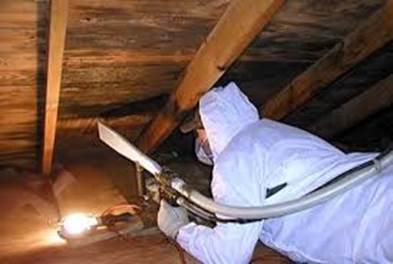
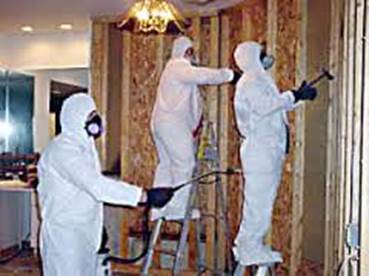
There are five main principles to successfully performing mold remediation services. The first is to conduct a proper mold inspection which includes testing of the suspect surfaces along with air sampling. Next is properly documenting the mold remediation project as it progresses will ensue the projects successful completion. Next, identifying and addressing all safety issues should be identified and dealt with. Then there is the issue of containing the mold so that it does not cross contaminate other areas of the building structure. Finally, removing the mold completely at the source prior to encapsulation is imperative. As you can see, we at Certified Black Mold Removal follow all IICRC S520 Standard and Reference Guide Lines for Professional Mold Remediation. This ensures the success of your mold removal project and keeps you and your family safe during the entire process.
There are basically five general principles utilized during the mold removal process. It is critical to choose a company that will apply each of these five principles throughout the entire mold remediation process.
The first step is to conduct a thorough and detailed mold inspection. This mold inspection must include mold testing in addition to a complete structural evaluation. It is very important to determine
the source of the contamination prior to starting the mold remediation activities. If this cause is not eliminated before beginning the mold removal activities, the contamination is likely return
necessitating the need to repeat the entire process.
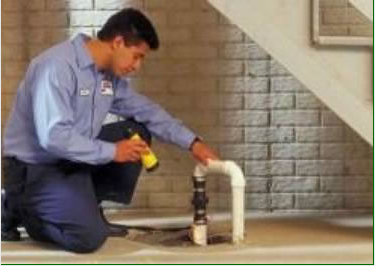
The correct procedure during the mold remediation process is to document work processes and environmental conditions throughout the mold remediation process to ensure the safe and complete completion
of the mold removal project. Additionally, post-remediation conditions prior to rebuilding the structure should also be documented to ensure the successful completion of the project.
It is important that mold remediation contractors identify all of the safety and health issues before starting a mold removal project. Once it has been determined through mold testing, that the
indoor environment is contaminated with mold, remediation workers must be protected from exposure. This is primarily done through use of proper engineering controls and work practices.
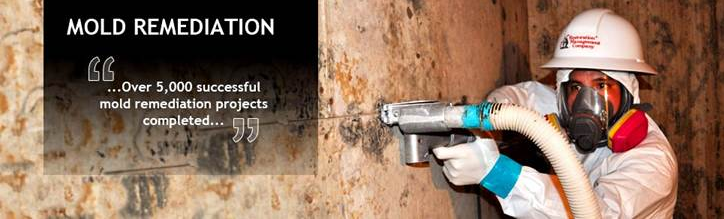
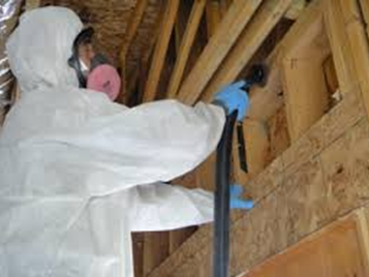
Appropriate respiratory protection as well as proper Personal Protective Equipment (PPE) must be utilized to ensure the safety of the workers as well as the building occupants.
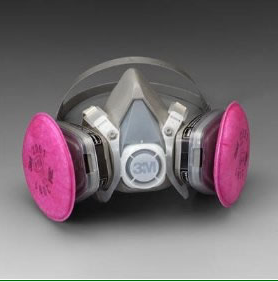
This is a typical respirator which is used
in the mold remediation process
Contamination control measures, better known as containment must be established to prevent the contamination from spreading to any unaffected areas of the building. Initial moisture mitigation
services may be performed to control amplification, while ensuring that mold contamination does not spread from more-contaminated to less or non-contaminated areas. Contamination removal
consists of physically removing mold contamination from a structure. Physical removal must be performed first prior to killing and encapsulating the building surfaces where the contamination
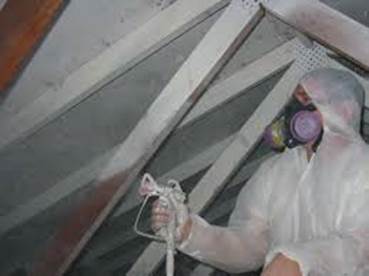
was previously. It is imperative that a mold remediation contractor never encapsulate a contaminated surface before physically removing the actual mold contamination from the surface.
References: IICRC S520 Standard and Reference Guide for Professional Mold Remediation
 |
 |  |
 |
 |  |